

Choosing rollator walker with seat With Seat
Rollators are a great aid for people who have balance and stability problems. When choosing the right rollator, make sure it has the right height adjustment, comfortable seating, and easy folding for storage.
The height of the handle should be the same as the wrist of someone standing in normal shoes with their arms at their sides and their elbows slightly bent. This position will give them the best support.
Comfort
Users of rollators will appreciate having seating. They can rest and sit down whenever they want, instead of having to locate a suitable place to do it. This is particularly beneficial for those struggling with balance or have pain caused by arthritic hips, knees, or ankles. This can allow them to continue walking for longer durations without becoming fatigued as quickly.
There are different options for seating with padding, ranging from different amounts of padding. Users will want to consider their individual preferences as well as the way they intend to use the walker to determine what amount of padding is suitable for them.
For those who need some additional support when walking, there are also backrests with padding that are available on certain rollator models. Some prefer these soft support models as they can be used to provide more support and prevent falls, while still allowing users to move forward using their mobility aid.
The rollator wheels can also affect comfort. Smaller wheels have smaller turn radius and are more comfortable to maneuver. Larger wheels, on other hand, can provide better comfort for those who prefer to travel on rough terrain.
In addition to the size of the wheel frame width, frame width and seat height are other considerations to consider for comfort. When you are looking for a rollator make sure you check the frame's width to make sure it fits through doorways and other spaces they might require to maneuver. The height of the seat to the floor should be compatible with the user's desired seating position. To determine this, measure from the floor to the crease of the knee of the user while they are standing in their regular shoes.
Some rollators with seating offer features that can increase comfort, such as locking breaks that will not release accidentally while seated. They may also have an ideal storage space under the seat cushion for personal items. Other accessories, like trays and cup holders to make it easy to access, are available as well. The addition of these features will provide users with the added comfort they need to continue living their lives in a way that is comfortable for them.
Safety
When selecting a rollator with seating, you must think about your preferences and mobility requirements. It is possible to choose one that is light for transport or one with adjustable height settings that will adapt to changing abilities over time. Take into consideration the size of the wheels as larger ones are better for rough terrain or uneven surfaces. The overall width of the wheel is another consideration which will determine if it is able to fit through narrow doorways and other tight passageways.
In addition to assessing your preferences, you'll also have to consider the safety features of your new mobility aid. Every rollator should include efficient brakes that prevent the device from slipping away when you're seated on the seat. The brakes can be hand-operated or operated by pressure, and they should be secured to prevent accidental disengagement while sitting on the seat.
It's also a good idea to consider additional security features that make your new device appear more like a trusted partner. Many users are convinced that a lockable bag or basket is useful to store valuables when using the device. Some of these storage containers fall and the rest of the rollator. Others can be taken off to access them without collapsing it.
A padded seat is an important safety feature. It gives you comfort on your torso when you are sitting on the walker. This is especially helpful if you are traveling long distances or are moving for long durations of time. You can also opt for a flip-up chair that allows you to access the storage space beneath the seat without having to take it off. it.
Design
Rollators are an excellent choice for people who have mobility issues due to ailments like multiple sclerosis, arthritis or Parkinson's. These devices not only provide stability and support, but can also help reduce the risk of falling, which can result in painful injuries and strain on healing muscles.
The user should consider their particular requirements when selecting a model. For example, they should consider the frame's width as well as weight capacity. A higher weight capacity will usually mean that the device is heavier and has a longer-lasting design, but it may also allow users to travel further distances and stop less often. On the other hand, a smaller frame width makes it easier to move the device through narrow doorways and passageways.
The handlebars need to be adjustable in their angle and increments to accommodate the user's needs and ergonomics. Some models also come with seats, which allow users to take short breaks on walks or while waiting in line. Based on the model, the seat can also be folded and put away, making it easy to move.
The brake system is an additional important aspect to consider, particularly for those who intend to use their rollator indoors and outdoors. Some models feature cable loop brakes while others have push-down brakes that can be activated by the weight of the user. Some models come with locking mechanisms that can be activated in the event of an emergency or accidental release.
Users should also think about the storage options available to ensure they have enough room to carry their personal items. A majority of rollators have storage area underneath the seat that allows you to keep items such as bags, purses or notebooks. Some models also come with the option of a commode that can be turned over the toilet, allowing users to take care of their bathroom needs safely and comfortably in any public bathroom. These features can make a big difference in allowing you to enjoy the freedom that a seat and rollator offer.
Stores
A seat-based rollator can be a valuable mobility aid for those who require stability or support and/or a place to rest when walking. These devices can aid in enhancing mobility, increased speed of walking and independence. They are ideal for those suffering from conditions like classic arthritis or Parkinson's disease who find themselves growing tired from walking for longer periods of time or who are recovering from knee, hip or lower leg surgeries or injuries.
A good rollator should be light in weight to make it easier to move, but strong enough to support the weight of the user and not sag or collapse. The frame is typically constructed from aluminum, which helps reduce bulk and make it easier to turn, push, or fold. There are models with steel frames, which provide additional strength for users who have heavier weight capacities.
Many quality rollators also feature built-in seats or trays which provide a convenient place to rest on their walks. The seat is often padded and adjustable to suit individual comfort needs. Some models come with a basket or storage pouch to store items for shopping or personal possessions. Others have accessories that can be incorporated, for example, a cane/cup organizer, a bag, or attachments.
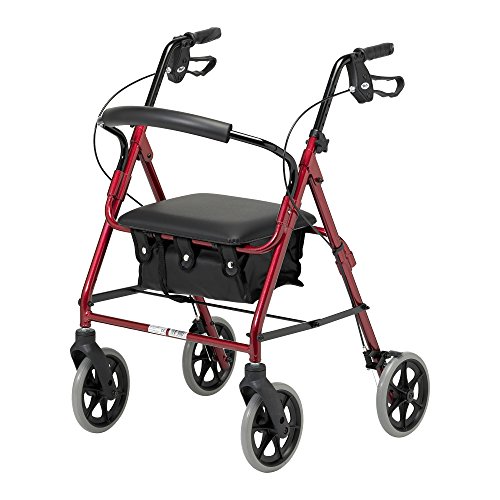
Whatever rollator you own, it is important to adhere to the maintenance and care instructions that the manufacturer provides. Regularly cleaning the device by tightening screws, replacing worn parts can extend its lifespan. It is also essential to avoid unauthorized modifications, as these could compromise safety and invalidate the warranty.
When selecting a seat that comes with a rollator, you should consider the size of the seat in relation to the handle. The ideal rollator seat will comfortably fit the user's height and let them sit comfortably in it while maintaining an upright posture. To determine the most suitable handle-to-seat height make the user stand in their normal shoes and keeping their arms at their sides, with their elbows slightly bent. Then, measure the distance from the floor to the crease on their backs to determine an accurate seat-to-floor measurement. Think about a rollator that has both the handle-to-seat height adjustment and a height adjustment from the seat to the floor.